When you pull up to that perfect campsite, surrounded by towering pines or overlooking a shimmering lake, the last thing you want to worry about is how you’ll get in and out of your home on wheels. Yet, the often-overlooked entry steps are among the most critical components of your RV, directly impacting your comfort, safety, and overall convenience. From simple manual setups to sophisticated automatic systems, understanding the various types of RV steps and mechanisms available is key to ensuring a stable, secure, and effortless transition between your rig and the great outdoors.
It’s more than just a ladder; it’s your daily gateway. The right steps prevent slips and falls, especially crucial after a long day of hiking or when juggling gear. They bridge the gap between your RV's threshold and the ground, adapting to varied terrain, and significantly impacting accessibility for everyone, from little explorers to seasoned travelers with mobility considerations.
At a Glance: Key Types of RV Steps
- Manual RV Steps: Simple, hand-operated steps that fold or slide out. Budget-friendly and robust.
- Electric RV Steps: Extend and retract with a push of a button or door sensor, powered by your RV’s 12V system. Offers convenience and often safety features.
- Automatic RV Steps: A step beyond electric, these integrate seamlessly with your RV, deploying and retracting without conscious effort. Premium features for a hands-free experience.
- Fold-Down/Fold-Out Steps: Mount directly under the door, folding vertically. Great for space-saving designs, especially in smaller rigs.
- Pull-Out/Slide-Out Steps: Stow horizontally under the entryway, then slide out and drop down. Known for stability and wider treads.
- Portable/Freestanding Steps: Unattached, standalone units offering ultimate flexibility and adaptability for uneven sites.
More Than Just a Climb: Why Your RV Steps Deserve Attention
Think about it: every single time you enter or exit your RV, you interact with these steps. This frequent use means they endure significant wear and tear, not to mention the forces of gravity, weather, and potentially uneven ground. Choosing the right mechanism isn't merely about aesthetics; it's a foundational decision impacting several vital aspects of your RVing life:
- Safety First: This is paramount. A sturdy, appropriately sized set of steps drastically reduces the risk of slips, trips, and falls—especially critical when conditions are wet, icy, or dark. Well-designed steps provide solid footing and minimize the "bounce" that can destabilize a person.
- Enhanced Accessibility & Comfort: For families with young children, older travelers, or anyone with mobility challenges, a proper set of steps can make all the difference. Adequate step depth and rise (the height between steps) provide a more natural, comfortable stride, making entry and exit less of a chore.
- Durability for the Long Haul: RV steps aren't a temporary fixture. They need to withstand thousands of cycles of use, various weights, and diverse environmental conditions. Investing in a durable step system means less maintenance, fewer headaches, and greater peace of mind on your journeys.
- Seamless Integration with Your Rig: The best steps feel like a natural extension of your RV, not an afterthought. They should complement your RV's design and operating systems, whether that means cleanly retracting for travel or deploying smoothly when you arrive.
Understanding these fundamentals sets the stage for exploring the diverse world of RV entry systems. For a deeper dive into general RV step considerations, you might want to learn more about RV steps.
The Core Players: A Deep Dive into RV Step Types
Let's break down the primary categories of RV steps, looking at how they work, their advantages, and where they shine brightest.
1. Manual RV Steps: The Uncomplicated Companion
Manual RV steps are the quintessential, straightforward solution found on countless RVs. Operated by hand, these steps are typically either pulled out from beneath the doorway or folded down from a mounted position. They're mechanical, relying solely on your physical effort, a simple hinge, or a sliding track.
- How They Work: You physically pull or push them into position. Many designs feature a simple latch or pin that secures them in place, either deployed or stowed. Some fold out like an accordion, while others slide out like a drawer and then drop into position.
- Pros:
- Cost-Effective: Generally the most budget-friendly option, both for initial purchase and potential repairs.
- Simple & Reliable: Fewer moving parts mean less to break. There's no reliance on a power source, making them immune to electrical issues.
- Easy Installation & Maintenance: Installation is often a bolt-on affair. Maintenance typically involves occasional cleaning and lubrication of hinges or slides.
- Robustness: Their mechanical nature often makes them quite resilient to minor impacts or harsh weather, as long as they are regularly maintained.
- Cons:
- Requires Physical Effort: For some, this can be a significant drawback. Pulling out or folding heavy steps can be cumbersome, especially for individuals with mobility issues or physical limitations.
- Can Be Cumbersome: Depending on the design, they might require awkward bending or reaching. Securing them for travel might also be a two-handed operation.
- Potential for Dirt/Grime: Since they're exposed when stored under the RV, they can accumulate road grime, which might transfer to your hands when deploying them.
- Best For: RV owners who prioritize simplicity, reliability, and a hands-on approach. They're an excellent choice for those on a tighter budget, owners of older RVs where electrical upgrades might be complex, or anyone who values a system that won't fail due to a dead battery. Often found on travel trailers and entry-level motorhomes.
2. Electric RV Steps: Stepping into Convenience
Electric RV steps bring a significant upgrade in convenience. Powered by your RV’s 12V electrical system, these steps extend and retract smoothly at the push of a button, or often, automatically when the RV door is opened or closed. Think of them as the smart, practical middle ground.
- How They Work: A small electric motor, typically connected to a gearbox, drives a linkage system that extends or retracts the steps. Most electric steps come with a master switch near the door, allowing manual override or power disconnection. Many also feature a sensor that triggers deployment when the RV door opens and retraction when it closes.
- Pros:
- Convenience & Ease of Use: No physical effort required. A simple flick of a switch or opening the door is all it takes. This is a huge benefit for frequent stops or those with mobility concerns.
- Often Includes Safety Features: Many models feature automatic retraction when the ignition is turned on (preventing driving with steps out), or an obstruction sensor that stops the step if it hits something. Integrated LED lighting is also common.
- Smooth Operation: They typically operate quietly and smoothly, adding a touch of luxury to your RV experience.
- Cons:
- Requires a Power Source: Reliance on your RV's 12V system means they won't work if your house battery is dead or if there's an electrical fault.
- More Maintenance: The motor, wiring, and moving parts require more attention than manual steps. Regular lubrication, checking electrical connections, and inspecting the motor are crucial.
- Higher Cost: Both the initial purchase and any repairs will generally be more expensive than manual alternatives.
- Best For: Travelers who value convenience, enjoy modern amenities, and have a reliable power source. They are very popular on mid-range motorhomes, fifth wheels, and larger travel trailers. Families and older travelers often find the ease of electric steps invaluable.
3. Automatic RV Steps: The Seamless, Hands-Free Experience
Taking convenience to the next level, automatic RV steps are designed to be truly hands-free. While technically a subset of electric steps (as they are also 12V powered), they differentiate themselves by deploying and retracting entirely based on RV door movement or ignition status, requiring no direct manual input from the user. They often integrate smart sensors and logic for a truly seamless experience.
- How They Work: These steps use sophisticated sensors—often tied to the RV door and ignition system—to anticipate your needs. Open the door, and they deploy. Close it, and they retract. Turn the engine on, and they retract. They represent the pinnacle of integration with your RV's systems.
- Pros:
- Hands-Free Operation: The ultimate in convenience. You don't even need to remember a button; the steps simply react to your actions.
- Enhanced Safety Features: Beyond auto-retraction, many include advanced features like auto-illumination (lights that come on when steps deploy), door-open lockout (steps stay deployed if the door is open), and even self-leveling capabilities on some high-end models.
- Seamless Integration: They become an invisible part of your RV experience, working in the background to enhance your comfort and safety without conscious thought.
- Premium Feel: Contributes to a high-end, modern RV experience.
- Cons:
- Higher Cost: These are typically the most expensive option, both upfront and for potential repairs due to their complexity.
- Potential for Mechanical/Sensor Failure: More sophisticated systems mean more points of potential failure (sensors, wiring, control modules) compared to simpler steps.
- Requires Specialized Installation: Due to their deep integration with the RV's electrical and door systems, professional installation is often recommended.
- Best For: Tech-savvy RVers, those looking for a premium, hassle-free experience, and owners of high-end motorhomes or fifth wheels where integrated smart systems are expected. They are ideal for full-time RVers who will use their steps constantly and want the absolute easiest operation.
Exploring Step Mounting & Functionality
Beyond the power source, RV steps also differ significantly in how they are mounted and how they move. These design choices directly impact stability, ground clearance, and storage.
4. Fold-Down or Fold-Out RV Steps: The Space Saver
Often seen on smaller travel trailers, pop-ups, or truck campers, fold-down (or fold-out) steps are typically mounted just below the RV’s doorway and fold down vertically. They can be operated manually or integrated into electric/automatic systems.
- How They Work: These steps are hinged directly to the RV's frame or body, folding out and down to create a stairway. When stowed, they usually fold flat against the RV's underbelly or tuck up into a recessed area.
- Pros:
- Space-Saving Design: Excellent for RVs with limited under-chassis clearance or for those where a slide-out step isn't feasible. They tuck away compactly.
- Lightweight & Easy to Handle: Many fold-down designs are relatively light, making manual operation easier.
- Quick Deployment: Can be very fast to deploy, especially manual versions with simple latching mechanisms.
- Cons:
- May Not Be as Stable on Uneven Ground: Because they're fixed to the RV at the top, their stability can be compromised on very uneven terrain if the bottom step doesn't land flush or if there's too much flex.
- Limited Step Depth: To keep the folded profile slim, individual step treads can sometimes be shallower, which might feel less secure for some.
- Can Obstruct Ground Clearance: When folded under the chassis, some designs can reduce ground clearance, which is a consideration for off-road or boondocking adventures.
- Best For: Smaller RVs, pop-up campers, truck campers, or any rig where minimizing weight and maximizing under-chassis clearance is a priority. They are a practical, no-frills option for many compact setups.
5. Pull-Out or Slide-Out RV Steps: Sturdy and Dependable
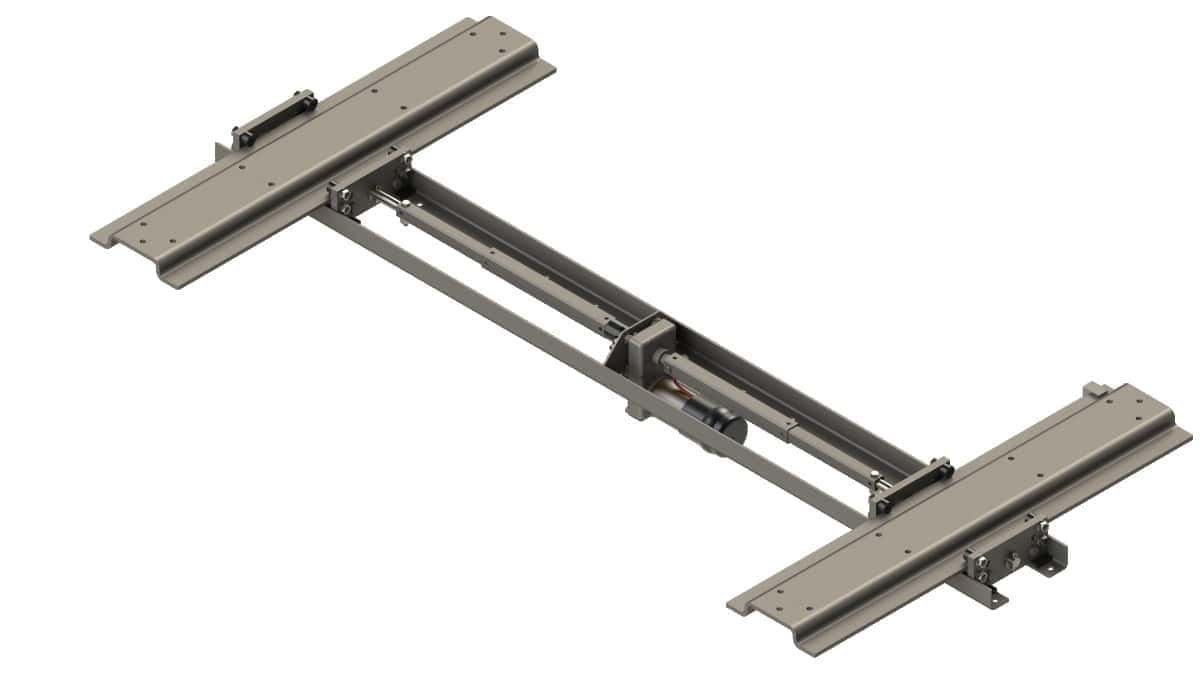
Pull-out or slide-out RV steps are engineered for robust stability. These steps are stored horizontally beneath the RV’s entryway, sliding out manually or electrically, and then dropping down to form a stable stairway. They are a popular choice for larger, heavier rigs due to their inherent strength.
- How They Work: A robust rail system allows the steps to extend outwards from under the RV. Once fully extended, a secondary mechanism (often a hinge or a gas strut) allows the steps to drop vertically, creating a multi-step stairway.
- Pros:
- Exceptional Sturdiness & Durability: Built to handle heavier loads and offer excellent stability, especially for multiple users or frequent traffic. Their robust construction minimizes bounce and flex.
- Often Wider and More Comfortable: Typically feature wider step treads and often a more gradual rise, providing a more comfortable and secure ascent/descent.
- Multi-Step Options: Available in two, three, or even four-step configurations, making them highly adaptable to various RV entry heights.
- Retract Completely: When stowed, they are tucked away neatly, generally not impacting ground clearance significantly once fully retracted.
- Cons:
- Can Be Heavy: The robust construction means they are heavier than many fold-down or portable options.
- Requires More Maintenance (manual versions): The sliding mechanism benefits from regular lubrication and cleaning to ensure smooth operation and prevent sticking.
- Potential for Road Grime: Like other under-chassis steps, they can accumulate dirt and debris.
- May Require More Lateral Clearance: When fully extended, they might require more space to deploy, which can be an issue in tight spots.
- Best For: Larger RVs, fifth wheels, and class A motorhomes where stability, durability, and a comfortable entry are paramount. They are ideal for full-time RVers or anyone who values a rock-solid feel underfoot. Lippert Components is a leading manufacturer in this category, known for their innovative and reliable entry systems, often seen on many of the largest RVs on the market.
6. Portable or Freestanding RV Steps: The Ultimate in Flexibility
Portable or freestanding RV steps are exactly what they sound like: standalone solutions that are not permanently attached to your RV. You position them wherever needed, offering incredible versatility.
- How They Work: These are individual units that you place on the ground near your RV door. They might be simple single steps, or multi-step units with adjustable legs. They rely on their own construction and the ground for stability.
- Pros:
- Highly Versatile: Can be used with multiple RVs, for various purposes (e.g., as a booster for reaching high storage), and are easily repositioned.
- Excellent for Uneven Terrain: Many models come with independently adjustable legs, allowing you to level the steps perfectly even on the most challenging, sloped, or rocky ground where integrated steps might struggle.
- No RV Modification Required: Ideal for rental RVs, temporary solutions, or if you don't want to permanently alter your rig.
- Can Be Stored Indoors: Keeps them clean and protected from weather when not in use.
- Cons:
- Requires Storage Space: You need dedicated space in your RV or tow vehicle to carry them when not in use.
- Not Integrated: They require manual setup and take-down every time you move or arrive at a new spot. This can be less convenient than integrated solutions.
- Potential for Shifting: If not properly positioned or weighted, they can shift or slide on certain surfaces.
- Can Be Stolen: Being unattached, they are susceptible to theft if left unsecured.
- Best For: Campers needing maximum flexibility, those with accessibility needs that require custom step heights or very stable platforms, or RVers who frequently encounter highly uneven camping terrain. Also a great backup option for integrated steps.
Enhancing Your Entry: Must-Have RV Step Accessories
Even the best RV steps can be improved with a few smart additions. These accessories don't just add convenience; they significantly boost safety and usability, making them invaluable for a wide range of RVers.
- Entry Assist Handrails: Providing a steady grip is crucial, especially when conditions are slick or when you need a little extra balance. Handrails come in various forms:
- Fixed Handrails: Permanently mounted to the RV body, offering robust support.
- Folding Handrails: Mount to the RV but fold flat against the side for travel.
- Portable Handrails: Standalone units that can be placed next to portable steps or even integrated steps for temporary support.
These are especially beneficial for older travelers, families with children, and anyone needing extra stability. - Stabilizer Kits for Manual & Portable Steps: Many manual pull-out steps and most portable steps can benefit from a stabilizer kit. These often consist of adjustable legs or braces that extend from the bottom step to the ground, eliminating bounce and increasing the overall rigidity of the step system on uneven surfaces. This small addition can transform a wobbly entry into a rock-solid one.
- Non-Slip Tread Tape or Step Covers: The surface of RV steps can become slippery when wet, muddy, or dusty. Adding non-slip tread tape or durable fabric step covers dramatically increases traction. These are relatively inexpensive upgrades that offer a significant safety improvement, particularly in inclement weather. They also help to keep dirt out of your RV by providing a surface to wipe your feet.
- Lighting Solutions: Integrated LED lights beneath electric steps are common, but for manual or portable steps, adhesive LED strips or small battery-operated spotlights can illuminate the steps at night, preventing missteps in the dark.
- Storage Brackets: For portable or removable steps, dedicated storage brackets ensure they are securely stowed for travel, preventing them from shifting or becoming damaged. This keeps your valuable interior space free and your steps protected.
These accessories aren't just luxuries; they're smart investments in safety and comfort, particularly for full-time RVers, families with children who are prone to playful antics, and older travelers who value a secure and accessible entry.
Choosing Your Perfect RV Steps: A Step-by-Step Guide
With so many options available, how do you pick the right steps for your rig and your lifestyle? It comes down to a careful evaluation of your specific needs, your RV's characteristics, and your personal preferences.
1. Measure Twice, Install Once: The Foundation of Fit
Before anything else, you need precise measurements. This isn't just about ensuring the steps physically fit; it's about making them functional and safe.
- Entry Height: Measure the distance from the ground to the RV floor or threshold when your RV is leveled at a typical campsite. This determines how many steps you need and the ideal 'rise' (height) of each step for comfortable climbing. A general rule of thumb for comfortable steps is a rise of 7-9 inches.
- Mounting Area Dimensions: Measure the width and depth available under your RV's doorway or chassis where the steps will attach. This is critical for pull-out, fold-down, and electric step systems. Ensure there's sufficient clearance for deployment and retraction, as well as for ground clearance when stowed.
- Door Swing Clearance: If considering steps that extend from inside the door, ensure they don't interfere with the door's full swing when deployed or retracted.
- Lateral Clearance: Especially for pull-out steps, consider how much space they take up when fully extended. This can impact maneuvering in tight spots or positioning your RV at a site.
2. Consider Your RV's Type & Lifestyle
Your rig isn't just a vehicle; it's a reflection of your travel style.
- Motorhomes vs. Travel Trailers vs. Fifth Wheels: Larger motorhomes and fifth wheels often benefit from robust, multi-step pull-out or electric/automatic systems due to their height and frequent use. Smaller travel trailers or pop-ups might be better suited for lighter fold-down or portable steps.
- Boondocking vs. Campground Cruising: If you frequently boondock or venture off-grid, ground clearance is paramount. Manual, tuck-away steps or portable steps might be better than systems that hang low. Power requirements for electric steps also become a factor if you're often without hookups.
- Full-Time vs. Weekend Warrior: Full-time RVers will use their steps hundreds of times more, warranting an investment in durability and convenience (like electric or automatic steps). Weekend warriors might prioritize budget and simplicity.
3. Conquering Uneven Terrain
Not all campsites are level. How well your steps handle varied ground is a major consideration.
- Adjustable Legs: If you frequently camp on uneven ground, solid steps with independently adjustable legs (common on portable and some pull-out designs) offer superior stability. These allow you to level each step regardless of the ground underneath.
- Fixed vs. Flexible: Fixed-height steps can leave you with a large first step or a wobbly base on uneven sites.
- Stability is Key: For maximum safety, especially with children or pets, steps that solidly meet the ground and minimize bounce are ideal.
4. Storage Savvy: Where Will They Go?
This is particularly relevant for portable steps but also applies to how integrated steps tuck away.
- Under-Chassis: Most integrated steps stow underneath the RV, keeping them out of sight and mind. Ensure adequate ground clearance when stowed.
- Inside the Door: Some steps, particularly certain "solid step" designs, fold up and store just inside the RV door. This keeps them clean and dry but can take up valuable entryway space.
- Separate Storage: Portable steps require dedicated storage space in a cargo bay, tow vehicle, or even inside the RV. Consider their size and weight when packed.
5. Width & Comfort: Your Daily Experience
Don't underestimate the impact of step dimensions on comfort and safety.
- Wider Steps: Wider step treads (18-24 inches or more) offer more foot space, making entry and exit feel much more stable and comfortable, especially when carrying items or for those with larger feet.
- Step Depth (Run): A deeper step (8-10 inches) allows for a full foot placement, reducing the feeling of perching on the edge and increasing security.
- Step Rise (Height): Aim for consistent, comfortable step heights. A steep first step or uneven rises can be a tripping hazard.
6. The Power Play: Manual vs. Electric
This is a fundamental choice tied to convenience, budget, and reliability.
- Electric/Automatic Steps: Offer unparalleled convenience with minimal effort. Ideal for frequent use, those with mobility concerns, or anyone who appreciates modern amenities. They do require a functional 12V electrical system and more complex maintenance.
- Manual Steps: Simple, robust, and don't rely on power. They are often more durable in harsh conditions but require physical effort to deploy and retract. They are an excellent choice for reliability and lower cost.
7. Budgeting for the Long Haul: Initial Cost vs. Maintenance
Your budget will naturally influence your decision, but consider more than just the upfront price.
- Initial Investment: Manual steps are typically the least expensive, followed by electric, and then automatic/premium solid steps.
- Installation Costs: If you're not doing it yourself, factor in professional installation, especially for complex electric or automatic systems.
- Maintenance & Repair: Simpler steps generally have lower maintenance costs. Electric and automatic systems have motors, sensors, and wiring that can fail, leading to potentially higher repair bills down the road. Durable construction, like that found in Lippert's engineered products, often means fewer repairs and a longer lifespan.
By carefully evaluating these criteria, you can confidently select the RV steps and mechanisms that best suit your unique rig, travel style, and personal preferences, ensuring every entrance and exit is safe, comfortable, and seamless. Choosing the right RV steps is a decision that truly impacts your everyday RVing joy.
Beyond the Basics: Common Questions & Smart Upgrades
Even after choosing a primary step system, questions often arise, and there are always opportunities to enhance your setup.
Can I upgrade my manual steps to electric?
Yes, in many cases, you absolutely can! Many aftermarket electric step kits are designed to replace existing manual steps. However, it's not a trivial task. It involves wiring the new electric steps to your RV's 12V system, potentially installing switches, and ensuring proper mounting. While handy DIYers might tackle it, professional installation is often recommended to ensure correct wiring and safe operation. Consider the cost-benefit ratio and the potential complexity before diving in.
What about cold weather considerations?
Cold weather can affect RV steps, especially electric and manual pull-out types.
- Ice and Snow: Accumulations can freeze steps in place, damage motors, or create dangerous slip hazards. Always clear steps of ice and snow before deployment or retraction.
- Lubrication: Standard lubricants can thicken in cold temperatures. Use cold-weather-rated lubricants for hinges and sliding mechanisms to ensure smooth operation.
- Electric Steps: Motors can work harder in extreme cold. Keep battery systems fully charged to ensure adequate power. Some electric steps have thermal overload protection, which might temporarily disable them if they struggle in the cold.
How often should I maintain my RV steps?
Maintenance frequency depends on the step type and usage, but a general rule of thumb is at least twice a year or every 3,000-5,000 miles for integrated steps, and before/after long trips for portable steps.
- Manual/Pull-Out: Lubricate hinges, pivots, and slide tracks with a dry lubricant or silicone spray. Inspect for rust, bent components, or loose fasteners. Clean off road grime.
- Electric/Automatic: In addition to mechanical lubrication, check electrical connections for corrosion, ensure wiring is secure, and inspect the motor for any unusual noises or signs of wear. Test safety features like auto-retraction.
- All Types: Clean non-slip surfaces, check for loose treads, and ensure all mounting hardware is tight and secure. This routine attention ensures your steps remain safe and functional for years to come. For more on general RV maintenance, check out resources that help you maintain your RV components.
What if my steps hit the ground or an obstacle?
- Integrated Steps: If manual steps hit an obstacle, they could bend or become damaged. Electric steps often have obstruction sensors that will stop the retraction or deployment if they encounter resistance. If this happens, clear the obstruction and try again. For continuous issues, consult your RV manual or a technician.
- Ground Clearance: Always be mindful of your step's ground clearance, especially when navigating uneven terrain, speed bumps, or steep driveways. Driving off a curb or into a ditch can severely damage under-mounted steps. Consider adding wheel chocks and levelers to avoid excessive tilting that exposes your steps to impacts, especially critical during setup. You can find more practical camping gear tips like these to enhance your camping experience.
Stepping Up Your RV Experience
The humble RV step is far from a minor detail. It's a critical gateway that impacts your safety, comfort, and the overall enjoyment of your travels. Whether you prefer the straightforward reliability of manual steps, the effortless convenience of electric systems, the seamless integration of automatic models, or the adaptable utility of portable solutions, there's a perfect step mechanism waiting for your rig.
By understanding the different types, their pros and cons, and carefully considering your own needs and your RV's specifics, you can make an informed decision that elevates every entrance and exit. Don't compromise on this essential component; choose wisely, maintain diligently, and enjoy the journey, one secure step at a time. Safe travels!