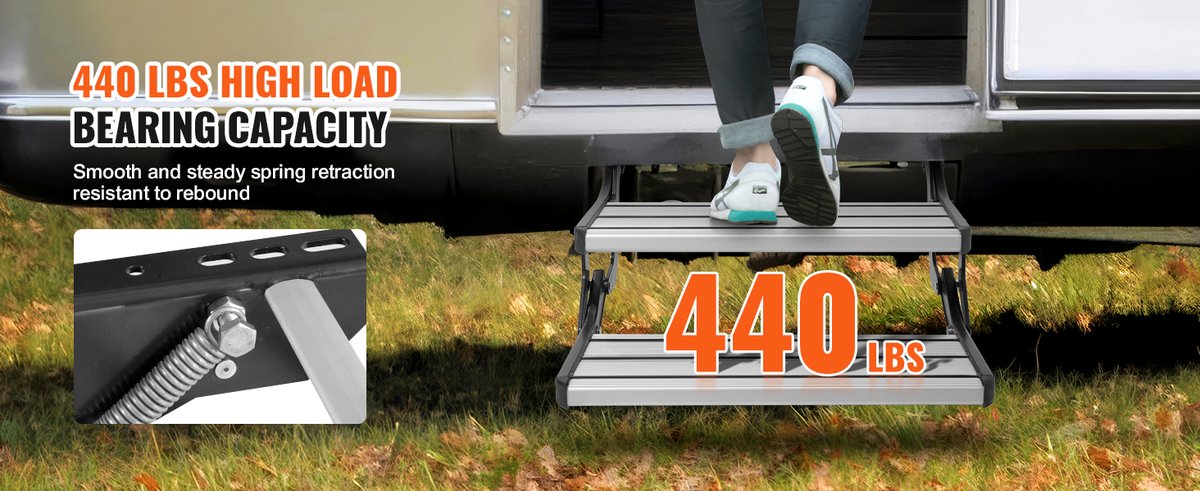
The open road calls, the campfire beckons, and your RV is your sanctuary. But that final step out the door, or the ascent back inside after a long day of adventure, shouldn't be a moment of hesitation or, worse, a fall risk. RV steps, by their very nature, present unique challenges: they're often narrow, steep, and their height relative to the ground can change with every new campsite. Add in variable campground lighting, uneven terrain, and unpredictable weather, and you've got a recipe for slips, trips, and potentially trip-ending injuries. This guide on RV Step Safety, Accessibility & Lighting is your blueprint for turning a common hazard into a confident, effortless movement.
At a Glance: Key Takeaways for Safer RV Steps
- Pause & Plan: Take a moment to assess the step, ground, and your footing before moving.
- Handrails are Your Friend: Always use both hands or a handrail for maximum stability.
- Descend with Control: Engage your core and legs for a controlled, "quiet" descent.
- Strengthen Your Body: Exercises like chair squats and heel raises build crucial balance and leg strength.
- Upgrade for Stability: Replace wobbly steps with solid ground-resting alternatives for a game-changing difference.
- Light Up Your Path: Implement effective lighting solutions to eliminate shadowed steps.
- Consider All Users: From pets to those with mobility challenges, tailor solutions for everyone.
The Unseen Hazard: Why RV Steps Trip Us Up
Imagine stepping out of your RV into a dimly lit, gravel campsite, after a full day of hiking. Your mind is on dinner, not the descent. This common scenario highlights the inherent challenges of RV steps. Unlike a staircase in your home, RV steps are a dynamic system. They contend with:
- Inherent Design Flaws: Many factory steps are narrow, have inconsistent rise-over-run, and can feel flimsy or "bouncy." The gap from the bottom step to the ground can be significant and unpredictable.
- Environmental Variables: Campground conditions are rarely perfect. We're talking uneven gravel, slippery grass, muddy patches, or unexpected potholes. Weather adds another layer: rain makes surfaces slick, frost creates hidden ice, and morning dew can be surprisingly treacherous.
- Inadequate Lighting: Too often, RV steps are an afterthought for lighting. A single porch light might cast harsh shadows or simply not provide enough illumination where it's needed most – on the step treads and the ground directly below.
- Human Factors: Fatigue, distraction, carrying items, or even just rushing can significantly impair your balance and focus, turning a routine step into a dangerous misstep.
These elements combine to create a persistent fall risk that can lead to anything from a minor scare to a sprained ankle, a twisted knee, or a serious fall. The good news? You have significant control over mitigating these risks. Taking proactive steps to improve your All about RV steps is one of the smartest investments you can make in your RV lifestyle.
Mastering Movement: Your Body as Your Best Tool for Step Safety
Before you even think about modifying your RV, the most powerful safety tool you possess is your own body and how you use it. Cultivating conscious habits can dramatically reduce your risk of a fall.
Pause Before Stepping: The Power of Intentional Movement
In our fast-paced lives, we often operate on "auto-pilot." For RV steps, this is a dangerous habit. Taking just 1-2 seconds to pause before you move can make all the difference.
- How to do it: As you approach the steps, whether going up or down, stop briefly.
- Pause: Halt your momentum.
- Look: Scan the step edge, the ground directly below, and your intended landing spot. Are there shadows? Is it wet? Is the ground level?
- Hand: Confirm where your hand will grip – the RV frame, an installed handrail, or a door handle.
- Step: Execute your step deliberately.
- Why it works: This brief mental and physical reset allows your nervous system to engage, giving your brain time to register current conditions and your body to prepare. It transforms a rushed, reflexive action into a controlled, intentional movement.
Use Both Hands: Your Built-In Stabilizers
It sounds simple, but this is one of the most overlooked safety rules. When ascending or descending RV steps, always strive for three points of contact.
- How to do it:
- Whenever possible, hold onto a handrail with one hand and the RV's door frame or an assist handle with the other.
- If only one handrail is available, use it, and place your other hand on the RV frame or door for added stability.
- A crucial rule: Never have both hands full when on the steps. If you're carrying something, make sure it's manageable with one hand, or better yet, make two trips or have someone assist you.
- Why it works: Creating a third point of contact (two feet and one hand, or one foot and two hands) significantly improves your balance and control. It distributes your weight and provides an anchor if your footing falters. Think of it as your personal safety net.
Step Down Strong: Engage Your Core for Controlled Descent
Many falls occur when stepping down, often due to a "collapsing" movement where you let gravity do all the work. Instead, focus on a controlled, powerful descent.
- How to do it:
- Lead with your strongest leg.
- As your foot lands on the next step or the ground, actively engage your hips and core muscles. Imagine your glutes and thighs "braking" the movement, rather than letting your body drop.
- Aim for "quiet feet." If you hear a thud or clatter, it means you're dropping your weight rather than controlling it.
- Why it works: This technique prevents strain on your knees and ankles, reduces the impact on your joints, and ensures you land with stability. It helps you maintain balance throughout the entire motion, preventing that sudden, uncontrolled lurch that often precedes a fall.
Beyond the Steps: Strengthening Your Core & Balance
While good habits are critical, your physical fitness also plays a huge role in preventing falls. Stronger legs, core, and better balance mean you're more resilient to uneven surfaces, unexpected movements, and fatigue. (Always consult a physician before starting any new exercise program.)
Chair Squats: Building Leg Power & Hip Control
This exercise directly mimics the motion of stepping up and down, strengthening the muscles vital for stable movement.
- How to do it: Stand in front of a sturdy chair as if you're about to sit down. Slowly lower your hips towards the chair, keeping your chest up and back straight. Just before you sit, push back up to a standing position.
- Progression: Start by lightly tapping the chair with your glutes before standing back up. As you get stronger, you can pause for a second or two in the "seated" position.
- Why it works: Chair squats target your quadriceps, hamstrings, and glutes – the primary movers for climbing and descending stairs. They also improve hip control, which is essential for stable footing and preventing strain when using supports.
Heel Raises: Fortifying Ankles for Uneven Terrain
Strong calves and stable ankles are your first line of defense against rolling an ankle on gravel or uneven ground.
- How to do it: Stand tall, holding onto a wall or sturdy furniture for support if needed. Slowly lift your heels off the ground, rising onto the balls of your feet. Pause at the top, feeling the contraction in your calves, then slowly lower your heels back down with control.
- Why it works: This exercise strengthens your calf muscles (gastrocnemius and soleus) and improves ankle stability. This is particularly beneficial for navigating the varied and often unpredictable surfaces you encounter at campgrounds, reducing the risk of a twisted ankle.
Step Taps: Improving Foot Accuracy & Coordination
This exercise directly trains your footwork, making your steps more precise and confident.
- How to do it: Stand facing a low, stable target, such as a sturdy book or even the bottom RV step itself. Lightly tap the target with the ball of one foot, then return it to the ground. Alternate feet. Focus on controlled, accurate taps without fully transferring your weight to the target.
- Why it works: Step taps enhance foot-eye coordination, balance, and proprioception (your body's sense of its position in space). This translates to less hesitation and more accurate foot placement when approaching and navigating actual RV steps, a great way to help in preventing common RV accidents.
Turning Hazards into Homes: Smart Step Upgrades & Gear
While good habits are non-negotiable, the right equipment can dramatically improve the safety and accessibility of your RV steps. Many of these modifications are simple, cost-effective additions that make a world of difference.
Enhancing Traction & Visibility
These are often the first, easiest, and most impactful upgrades you can make to your existing step setup.
- Apply Carpet Mats or Step Covers:
- What it does: These non-slip covers fit over existing step treads. They come in various materials, from outdoor carpet to ribbed rubber.
- Why it helps: Carpet mats significantly increase traction, especially in wet, muddy, or frosty conditions. They also help scrape dirt and debris off shoes before it enters your RV, a nice bonus for keeping your interior clean. Look for options that are easy to clean and securely attach.
- Apply Glow-in-the-Dark Tape or Reflective Strips:
- What it does: This tape adheres to the front edge of each step tread. It charges in daylight and glows at night, or reflects light from a headlamp or flashlight.
- Why it helps: Poor visibility is a leading cause of step-related falls. This simple, inexpensive modification clearly delineates the edge of each step, making them far easier to see in low light or darkness. Pair this with upgrading your RV's exterior lighting for maximum effect.
Boosting Stability & Reducing Gaps
These solutions address the wobble, steepness, and large gaps that characterize many factory RV steps.
3. Use a Stair Stabilizer Stand:
- What it does: This accessory attaches to the underside of the lowest RV step and extends to the ground, providing additional support.
- Why it helps: Many standard fold-down RV steps can feel bouncy or unstable. A stabilizer stand reduces this wobble, making the steps feel much more solid and secure, especially for heavier individuals or those with balance issues.
- Add an Additional Step (Portable):
- What it does: A robust, portable step placed on the ground effectively reduces the height of the first step from your RV.
- Why it helps: The gap from the lowest RV step to the ground is often the biggest and most challenging. A sturdy portable step closes this gap, creating a more manageable and consistent step height, akin to a traditional staircase. Ensure it's stable and has a non-slip surface.
- Install a Stair Rail (Assist Handle):
- What it does: This is an additional, often longer and more robust, handrail that attaches to the side of your RV near the door.
- Why it helps: While RVs often have a grab handle by the door, it might be too short or at an awkward angle. An extended, securely mounted stair rail provides a much more natural and sturdy handhold, offering crucial support as you enter or exit, particularly for RV living for seniors or anyone needing extra stability.
- Replace Floating Steps with Solid Steps (Ground-Resting Systems):
- What it does: This is a more significant upgrade where you remove your existing, suspended steps and install a system that deploys to rest firmly on the ground. Brands like MORryde StepAbove or Lippert SolidStep are popular examples.
- Why it helps: This is arguably the most impactful upgrade for step stability. Because the steps rest directly on the ground, they eliminate all bounce and wobble, feeling as solid as a residential staircase. The adjustability allows them to accommodate uneven terrain.
Comprehensive Accessibility & Pet Solutions
Sometimes, basic steps simply aren't enough, or you need to accommodate furry friends.
7. Use Portable Steps with Handrail:
- What it does: These are standalone, sturdy steps (often 2-3 treads) that include an integrated handrail. They are not attached to the RV but placed beside it.
- Why it helps: Similar to solid ground-resting steps, these offer excellent stability and a consistent step height. The integrated handrail provides comprehensive support, making them ideal for extended stays or if your RV's existing steps are particularly challenging.
- Use a Pet Ramp:
- What it does: A portable, non-slip ramp designed to allow pets to easily walk into and out of the RV.
- Why it helps: Small, older, or injured dogs (and sometimes cats) can struggle with steep RV steps, leading to joint strain or injury. A pet ramp ensures they can safely access the RV, which is a great addition to your essential RV camping gear if you travel with pets. While primarily for animals, some robust ramps can also serve as an accessible alternative for humans, especially if combined with a portable handrail.
- Install a Lift System:
- What it does: For individuals with significant mobility challenges, a wheelchair lift or platform lift can be installed, often replacing the entry steps entirely.
- Why it helps: This is the ultimate accessibility solution, ensuring that the RV lifestyle remains possible for everyone, regardless of their ability to use stairs. While a substantial investment, it offers true independence. For a deeper dive into broader accessibility solutions, explore RV accessibility solutions.
- Build Your Own Solution:
- What it does: For the handy RVer, custom-building a set of sturdy wooden steps, a ramp, or a platform can be a cost-effective and perfectly tailored solution.
- Why it helps: DIY projects allow you to create exactly what you need, accounting for unique RV dimensions, specific ground clearance requirements, and personal preferences for materials and aesthetics. Just ensure any DIY RV modifications are built to code, structurally sound, and use weather-resistant materials.
Light Up Your World: Smart Lighting Strategies for RV Steps
Even the safest steps become dangerous in the dark. Effective lighting isn't just about brightness; it's about strategic illumination that eliminates shadows and highlights hazards.
- Under-Step LED Lighting: Small, weather-resistant LED strips or puck lights mounted directly under each step tread provide a soft, consistent glow that clearly defines each step without being glaring. Some systems are motion-activated.
- Motion-Sensor Porch Lights: Upgrade your RV's standard porch light to a motion-sensing model. This provides bright illumination only when needed, conserving battery power and startling any nocturnal critters approaching your door.
- Portable Solar Lights: Stake-in solar lights placed around the base of your steps can provide ambient light, helping to illuminate uneven ground or obstacles. Ensure they are robust and won't be easily knocked over.
- Headlamps & Flashlights: Always have a headlamp or flashlight handy. Even with installed lighting, you might need to illuminate a specific area, check for critters, or navigate off the main path. Keep one by the door for easy access.
- Avoid Over-Illumination: While more light is generally good, too much harsh, bright light can create glare or deep shadows in other areas. Aim for diffused, even lighting.
Making the Right Choice: Tailoring Solutions to Your RV Lifestyle
With so many options, how do you decide which modifications are right for you? Consider these factors:
- Your RV Type & Use:
- Travel Trailer/Fifth Wheel: You'll be deploying and retracting steps often. Quick, easy solutions like step covers and stabilizer stands are practical. If you camp in one spot for a while, ground-resting steps or portable systems become more appealing.
- Motorhome: Often has more robust built-in steps, but still benefits from lighting and grip enhancements. Lifts are more common on motorhomes due to their larger door openings and higher chassis.
- Camper Van/Class B: Often have a single, high step. A portable step or a custom-built low platform might be ideal.
- Who's Using the Steps?
- Young Children: Focus on consistent step height (portable step), secure handholds, and non-slip surfaces.
- Seniors/Individuals with Mobility Challenges: Ground-resting steps, extended handrails, lifts, and excellent lighting are paramount.
- Pets: A dedicated pet ramp is a game-changer.
- Everyone: Basic safety habits, good lighting, and non-slip surfaces benefit all users.
- Budget & DIY Skills:
- Simple solutions like tape and mats are inexpensive.
- Stabilizers and portable steps are mid-range.
- Replacing steps or installing a lift are significant investments, but often well worth it for safety and peace of mind.
- If you're handy, DIY RV modifications can save money and customize solutions.
- Aesthetics vs. Functionality: While looks matter, safety should always be the priority. Find solutions that blend well with your RV's appearance but never compromise on stability or usability. If you're pondering choosing the right RV steps for a new RV, consider these factors from the start.
It's More Than Just Steps: A Holistic View of RV Safety
Improving RV step safety isn't an isolated task; it's part of a broader commitment to a safe and enjoyable RV experience. While you're focusing on your steps, remember:
- Keep Pathways Clear: Ensure the area around your RV door and steps is free of clutter, hoses, power cords, or other tripping hazards. This includes inside the RV where you exit.
- Regular Maintenance: Routinely inspect your RV steps for loose bolts, cracks, rust, or other damage. Lubricate moving parts if they're folding steps. Regular RV maintenance tips extend to every component, especially those critical for safety.
- Weather Awareness: Be mindful of changing weather conditions. If rain, frost, or dew is expected, take extra precautions: deploy your steps carefully, ensure mats are secure, and plan for increased slipperiness.
- Footwear Matters: Wear appropriate, sturdy footwear with good grip when entering or exiting your RV, especially in challenging conditions. Avoid flip-flops or slick-soled shoes.
Your Next Step: Taking Action for a Safer Journey
The RV lifestyle is about freedom, adventure, and making memories, not worrying about falls. By understanding the risks, adopting proactive habits, strengthening your body, and investing in smart modifications and lighting, you can transform your RV steps from a potential hazard into a confident, safe passage.
Start with a simple assessment: walk in and out of your RV a few times, consciously noting any points of hesitation, instability, or poor visibility. Then, pick one or two of the strategies outlined here and implement them. Even small changes can make a profound difference. Your future self, and your body, will thank you for taking these steps toward a safer, more accessible, and ultimately more enjoyable RV journey.