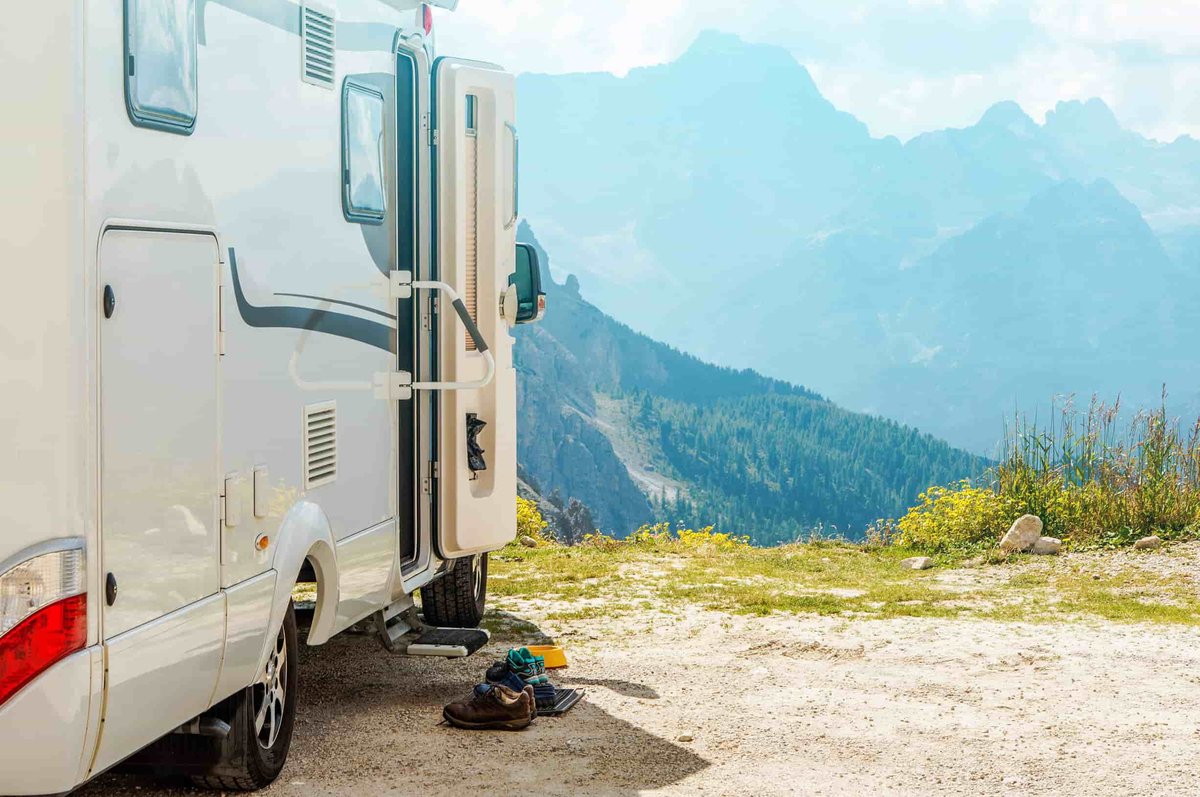
Every time you step into or out of your RV, you're interacting with a critical, yet often overlooked, safety feature: your RV steps. From the moment you pull up to your campsite to the last goodnight before bed, these steps are your literal foundation, bridging the gap between solid ground and your home on wheels. But with so many options, how do you choose the right ones? Getting this decision right isn't just about convenience; it's about stability, accessibility, and preventing trips and falls for everyone who enters your RV.
As a seasoned RVer and someone who's seen the good, the bad, and the wobbly, I can tell you that the right set of steps makes all the difference. This guide will walk you through everything you need to know about choosing and buying RV steps that perfectly fit your rig, your lifestyle, and most importantly, keep you and your loved ones safe.
At a Glance: Key Takeaways for RV Steps
- Safety First: Steps are a fundamental safety component; never compromise on stability or anti-slip features.
- Know Your Types: Manual, Powered, Folding (like Solid Step®), and Patio (like Victory Step®) each have unique benefits.
- Measure Everything: Entry height and door frame width are non-negotiable measurements for proper fit.
- Lifestyle Matters: Your camping style (full-time, boondocking, family, pets) dictates ideal features like tread width, handrails, and portability.
- Installation Varies: From simple freestanding to complex wiring, understand the commitment for each step type.
- Consider Upgrades: Anti-slip treads, handrails, and proper lighting significantly enhance safety and comfort.
- Maintenance is Key: Regular checks ensure longevity and continued safe operation.
Why Your RV Steps Matter More Than You Think
Imagine stepping out of your RV with a hot cup of coffee, or watching a child scramble down for playtime, or helping an older family member navigate the entry. In each scenario, stable, well-chosen steps are paramount. They aren't just an accessory; they're an integral part of your RV's overall safety system, designed to provide a secure and stable pathway. Without the right steps, you risk falls, injuries, and a constant sense of unease.
This isn't just about preventing accidents; it's about enhancing the overall RV experience. Easy, confident entry and exit means less stress, more enjoyment, and greater accessibility for everyone. To truly understand the landscape of options available, let's dive into the different kinds of RV steps and what makes each unique. If you're looking for an even broader perspective on this vital component, be sure to check out Your guide to RV steps.
The Different Flavors of RV Steps: A Quick Guide
The world of RV steps offers a surprisingly diverse range of designs, each with its own set of advantages for different RV types and user needs. Understanding these fundamental categories is the first step toward making an informed choice.
Manual Steps: The Tried-and-True Workhorse
These are the steps many of us picture first: a simple, spring-loaded mechanism that you manually pull out or push in.
- How They Work: Typically mounted to the underside of your RV, they fold out and retract in one smooth motion.
- Pros: Generally the most affordable option, simple in design, and highly reliable with fewer moving parts to break. Common on older RVs or entry-level models.
- Cons: Require physical effort to deploy and retract, which can be a nuisance in bad weather or if you have mobility issues. They often hang lower than the RV chassis, potentially reducing ground clearance.
- Best For: Budget-conscious RVers, those who don't mind a little manual effort, or those with older RVs looking for a direct replacement.
Powered Steps: Convenience at Your Fingertips
For hands-free operation and a touch of luxury, powered steps are a popular choice, especially on newer, higher-end RVs.
- How They Work: Integrated with your RV's door sensor and power system, these steps automatically extend when the RV door opens and retract when it closes.
- Pros: Ultimate convenience, ideal for users with mobility limitations, and ensures steps are never forgotten when driving away. Many include safety features like auto-retract if the ignition is on.
- Cons: Higher initial cost, more complex installation (requiring wiring), and potential for mechanical or electrical issues. They also rely on your RV's power.
- Best For: RVers prioritizing ease of use, those with mobility challenges, or anyone who wants the latest in RV convenience features.
Folding Steps (e.g., Lippert Solid Step®): Grounded Stability
A relatively newer innovation, folding steps have quickly gained popularity for their exceptional stability and direct ground contact.
- How They Work: Unlike under-mounted steps, these units mount directly inside the RV's entry door frame. When you open the door, the steps swing down and securely plant their feet on the ground.
- Pros: Unmatched stability due to direct ground contact, adjustable legs to compensate for uneven terrain, and often feature wider, non-slip treads. They store inside the RV, protecting them from road grime and maintaining ground clearance. Recessed feet minimize trip hazards.
- Cons: Require specific door frame width clearance, can't be deployed if the ground immediately outside the door is obstructed (e.g., a picnic table or tight campsite), and can bring dirt/debris into the RV if not wiped down.
- Best For: Full-time RVers, families with children or pets, older adults, or anyone who values maximum stability and a secure entry, especially those with higher entryways.
RV Patio Steps (e.g., Lippert Victory Step®): Flexible & Freestanding
Often seen with toy haulers or RVs featuring rear patio decks, these steps offer incredible versatility.
- How They Work: These are typically freestanding or easily deployable and removable steps that provide access to decks or higher platforms. They can be quickly set up, removed, and stored.
- Pros: Highly portable, easy to set up and take down without tools, and can be used in various configurations. Great for temporary setups or when you need flexible access.
- Cons: May not offer the same integrated stability as permanently mounted options, and require storage space when not in use.
- Best For: Toy hauler owners, RVers with rear patio decks, or anyone needing flexible, temporary access solutions.
Finding Your Perfect Match: Key Considerations When Choosing RV Steps
Selecting the right RV steps isn't a one-size-fits-all decision. It's a blend of your RV's physical characteristics, your personal preferences, and your unique travel lifestyle. Approaching this choice systematically will ensure you land on steps that are safe, convenient, and durable.
Your RV's Specifics: Measurements Are Non-Negotiable
Before you even start browsing, you need to understand the physical constraints and requirements of your specific RV. Grab a tape measure; these details are crucial.
Entry Height: Ground to Threshold
This is perhaps the most critical measurement. It dictates how many steps you'll need (double, triple, or quad) to create a safe, gradual incline.
- How to Measure: With your RV parked on level ground and aired up (if it has air suspension), measure the vertical distance from the ground to the very top of your RV's door threshold (where your foot enters the RV).
- Why it Matters: A single step that's too high can be a trip hazard and a strain on knees and hips. Most comfortable step risers are between 7-8 inches. If your entry height is, say, 28 inches, you'll likely need quad steps (28 / 4 = 7 inches per step). Higher entryways inherently require more steps for a comfortable, safe ascent and descent.
Door Frame Width: Especially for Folding Steps
If you're considering folding steps like the Lippert Solid Step®, the width of your door frame is a make-or-break measurement.
- How to Measure: Measure the width of the inside of your RV's door frame, from one vertical jamb to the other.
- Why it Matters: Folding steps mount into this opening. Models like the Lippert Solid Step® typically require minimum clearances, often around 26 or 30 inches wide. An improperly sized step will either not fit or leave dangerous gaps.
- Existing Steps: For an upgrade, also note the dimensions of your existing steps, as this might inform the replacement process.
Mounting Preference: Where Will They Live?
Do you prefer steps that tuck neatly under your RV, or swing down from the doorway? This impacts ground clearance, cleanliness, and ease of deployment.
- Under-mounted: (Manual or Powered) These steps typically bolt to the underside of the RV chassis. They can be exposed to road grime and might reduce ground clearance slightly when retracted.
- Threshold-mounted: (Folding Steps) These mount directly to the door frame, storing inside the RV. This keeps them clean and protects them from road hazards, but means they take up a small amount of space just inside the door.
- Freestanding/Portable: (Patio Steps) These require no permanent mounting but need to be deployed and stored manually. They offer flexibility but also require storage space.
Your RV Lifestyle & Who's Stepping Aboard: Beyond the Hardware
Your travel habits and who accompanies you on your adventures should heavily influence your step choice.
Full-Time RVers vs. Weekend Warriors
- Full-Time: You'll be using your steps multiple times a day, every day. Durability, stability, and ease of use are paramount. Investing in a robust, comfortable set (like folding steps with wide treads or powered steps) will pay dividends.
- Weekend Warrior: If you only camp occasionally, lighter-duty manual steps or even basic patio steps might suffice, especially if you prioritize quick setup and lower cost.
Children, Older Adults, or Pets
This demographic often benefits most from enhanced safety features.
- Wider Treads: Provide more foot placement surface, reducing the chance of missing a step.
- Anti-Slip Surfaces: Crucial for wet conditions or dusty boots. Many steps come with textured surfaces, but add-on anti-slip tape or mats are also available.
- Handrails: Offer a vital point of balance and support, especially for those with less stable footing or carrying items. They can be integrated into the step system or added separately.
- Gentle Rise: More steps for a lower rise per step is always safer for those with limited mobility.
Solo Travelers or Unique Needs
- Solo Travelers: Might prioritize lightweight materials and quick deployment over maximum width or heavy-duty features, unless they frequently travel in remote areas.
- Boondocking/Off-Grid: Ground clearance is often a concern. Steps that retract fully or store inside (like folding steps) are advantageous to prevent scraping on uneven terrain. Portable patio steps can also be ideal as they are completely independent.
RV Type & Camping Style Considerations
From the ground truth, we know RVs range from compact truck campers to sprawling Class A motorhomes. Your RV type will naturally narrow down step options.
- Class A/C Motorhomes: Often come with or are ideally suited for powered steps due to their higher entry points and emphasis on convenience.
- Fifth-Wheels/Travel Trailers: Can benefit greatly from folding steps for stability, especially as these rigs often have significant entry heights. Manual steps are also very common.
- Toy Haulers: Frequently utilize RV patio steps for access to rear decks.
- Off-Road Packages: If your RV has an off-road suspension or you plan on taking it into rougher terrain, prioritize steps that won't reduce your ground clearance or can be easily removed.
Budget & Value: An Investment in Safety
While it's tempting to pinch pennies, remember that RV steps are a safety device.
- Initial Purchase: Prices vary wildly, from a couple hundred dollars for basic manual steps to well over a thousand for high-end powered or folding systems. Establish an affordable price range.
- Long-Term Durability: Cheaper steps might save money upfront but could require replacement sooner or offer less stability over time. Consider materials (steel vs. aluminum), weight ratings, and manufacturer reputation.
- Considering Upgrades: Sometimes, a slightly more expensive step with wider treads or an integrated handrail is a better long-term value, preventing a costly fall later. Think of it as an investment in peace of mind.
Installation Matters: Getting Your RV Steps Right
Once you've chosen your ideal RV steps, proper installation is paramount. A poorly installed step is a dangerous step. While some installations are DIY-friendly, others are best left to professionals.
General Principles: Safety First
- Read the Manufacturer’s Guide: This is non-negotiable. Every step system has specific instructions, torque requirements, and safety warnings. Deviate at your peril.
- Use the Correct Tools: Having the right wrenches, drills, bits, and safety gear makes the job easier and safer.
- Secure Mounting: Steps must be securely bolted, aligned, and (if applicable) wired correctly. Wobbly steps are a recipe for disaster.
Step-by-Step for Common Types
Manual and Electric Steps: Under-Mounting
These steps typically mount to the underside of the RV chassis.
- Preparation: Remove existing steps if replacing. Clean the mounting area.
- Positioning: Carefully position the new steps, ensuring proper alignment with the door and clearance from other chassis components.
- Drilling & Bolting: Many RVs have pre-drilled holes, but some may require new drilling. Use appropriate-sized bolts, washers, and locknuts, ensuring they are tightened to manufacturer specifications.
- Wiring (for Electric Steps): This is the most complex part. Electric steps need to be wired to your RV's 12-volt power system, a door sensor (so they extend when the door opens), and potentially a control panel. If you're not comfortable with electrical work, this is a prime reason to seek professional help. Ensure all connections are secure, waterproof, and properly fused.
- Testing: Thoroughly test the steps for smooth operation, stability, and (for electric) correct automatic function.
Folding Steps (e.g., Lippert Solid Step®): Threshold Mounting
These steps mount directly into your RV's entryway, replacing the existing threshold and step system.
- Removal: Carefully remove your old steps and the existing threshold, often involving screws and sealants. Clean the opening thoroughly.
- Measuring the Opening: Re-verify your door frame width and height to ensure the new folding step unit will fit perfectly.
- Secure Attachment: The new unit slides into the door frame opening. It's then secured with screws or bolts directly to the door frame structure. Proper alignment is crucial for smooth deployment and storage.
- Ground Contact: Once installed, deploy the steps and ensure the adjustable legs can make solid, stable ground contact. Adjust the leg length as needed for various terrain. Test for any flex or wobble.
- Sealing: Re-seal the edges around the new step unit to prevent water intrusion into your RV.
RV Patio Steps (e.g., Victory Step®): The Easiest Option
These are designed for quick setup and minimal fuss.
- Deployment: Simply unfold the steps and position them where needed for access to your patio or deck.
- Leveling: Adjust any leg levelers or extenders to ensure the steps are stable and level on the ground.
- Secure (if applicable): Some patio steps may have optional attachment points to secure them to your RV or deck, especially for enhanced stability or safety. Always follow manufacturer guidelines.
When to Call a Pro
While many RVers are handy, certain installations benefit from professional expertise:
- Complex Wiring: If you're installing powered steps and aren't confident with 12-volt electrical systems, hiring a certified RV technician is a smart move.
- Structural Modifications: If your chosen steps require significant modification to your RV's frame or floor, a professional can ensure structural integrity.
- Uncertainty: If you're simply unsure at any point during the installation process, don't guess. Safety is paramount.
Beyond the Basics: Enhancing Your RV Step Experience
Choosing and installing the right steps is a fantastic start, but there are always ways to further optimize their safety, comfort, and longevity.
Essential Upgrades for Safety & Comfort
Sometimes the standard steps aren't quite enough, or you want to add an extra layer of protection.
- Wider Treads & Anti-Slip Surfaces: If your current steps feel narrow or slick, consider adding aftermarket anti-slip strips, carpeted step covers, or even replacing the treads with wider versions if possible. This is especially vital in wet or icy conditions.
- Handrails: A sturdy handrail provides immense support, significantly reducing the risk of falls. Many step systems offer optional handrails, or you can purchase standalone, wall-mounted versions that attach next to your door.
- Proper Lighting: RV entries can be dark at night. Consider adding small LED lights directly above or below your steps, or motion-activated lights, to illuminate the path clearly. This is a small upgrade with a huge safety impact.
- Recessed Feet: For folding steps that make ground contact, ensure the feet are designed to minimize trip hazards. Some older or cheaper models might have exposed feet that catch on things; newer designs often recess them or provide wider, flatter bases.
Maintenance for Longevity: Keep Them Stepping Strong
Like any mechanical part of your RV, steps require a little TLC to perform reliably and safely for years to come.
- Regular Cleaning: Dirt, mud, and road grime can accumulate, especially on under-mounted steps. Clean them regularly to prevent corrosion and keep moving parts free.
- Lubrication: For manual and powered steps, moving joints and pivot points benefit from occasional lubrication with a dry lubricant (like silicone spray) to ensure smooth operation and prevent squeaks.
- Check Fasteners: Periodically inspect all bolts, screws, and mounting hardware. Vibrations from travel can loosen them over time. Tighten anything that feels loose.
- Wiring Inspection (Powered Steps): Check electrical connections for corrosion or fraying. Ensure all wires are securely routed and protected from pinch points or road debris.
- Ground Contact & Adjustment (Folding Steps): Routinely verify that the adjustable legs on folding steps are functioning correctly and making firm, stable contact with the ground.
- Functionality Test: Before each trip, or at least monthly during active use, fully deploy and retract your steps, checking for any unusual noises, sticking, or instability.
Common Questions & Smart Answers About RV Steps
You've got questions, we've got answers. Let's tackle some of the most frequently asked queries about RV steps.
"How do I know if I need double, triple, or quad steps?"
It all comes down to your RV's entry height (ground to door threshold) and your desired step rise (the height difference between each step). A comfortable step rise is generally 7-8 inches.
- Measure your entry height.
- Divide that height by 7 or 8 inches. The resulting number will give you a good idea of how many steps you need.
- Example: If your entry height is 21 inches, 21 / 7 = 3. You'd likely need triple steps. If it's 28 inches, 28 / 7 = 4, suggesting quad steps.
"Are powered RV steps worth the extra cost?"
For many, yes, especially if convenience, accessibility, or frequently stopping and starting are priorities.
- Pros: Hands-free operation, great for those with mobility issues, steps retract automatically (you can't forget them).
- Cons: Higher upfront cost, more complex installation, potential for electrical/mechanical issues.
- Consider: If you're a full-timer, have young children or older adults, or frequently make short stops, the convenience can be invaluable. If you're on a tight budget or prefer simplicity, manual steps are perfectly functional.
"Can I install RV steps myself?"
It depends on the type of steps and your DIY comfort level.
- RV Patio Steps: Almost always DIY-friendly; they're designed for easy setup.
- Folding Steps (like Solid Step®): Often DIY-friendly if you're comfortable with basic tools, precise measurements, and sealing. The biggest challenge is often removing the old system and ensuring a perfect fit for the new one.
- Manual Steps: Generally DIY-friendly for replacement if you're comfortable drilling and bolting to the chassis.
- Powered Steps: Caution advised. While the mechanical attachment can be DIY, the electrical wiring to your RV's power system and door sensor can be complex and potentially dangerous if not done correctly. If you're not experienced with 12-volt systems, hire a professional.
"What's the best step for uneven terrain?"
Folding steps with adjustable legs (like the Lippert Solid Step®) are generally considered the best for uneven terrain because their individual legs can be adjusted to make solid ground contact, effectively leveling the steps.
RV patio steps are also a good option because they are freestanding and can be positioned and leveled independently, offering flexibility in challenging spots. Under-mounted manual or powered steps have fixed lengths, making them less adaptable to significant ground variations.
Making Your RV Entry a Seamless Experience
Choosing and buying RV steps might seem like a small detail in the grand scheme of RV ownership, but it's one that impacts your daily life on the road more than you might realize. The right steps transform a potential hazard into a confident, easy entry and exit, enhancing safety and convenience for everyone.
By carefully considering your RV's specifications, your lifestyle, and the needs of those who travel with you, you can make an informed decision that elevates your entire RV experience. Don't rush this choice; measure twice, research thoroughly, and prioritize safety above all else. Your knees, your back, and your peace of mind will thank you for it.